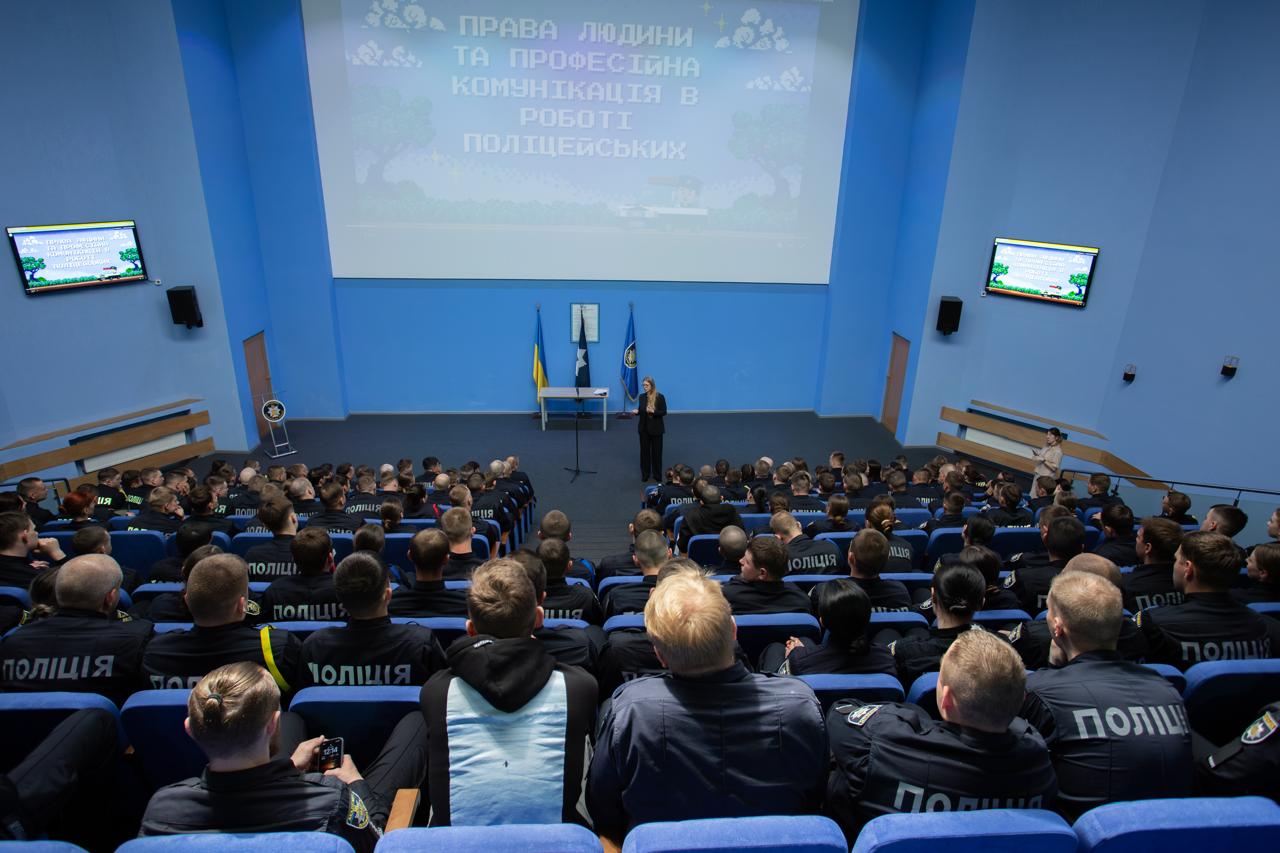
— Hate crimes against LGBTIQ+ persons remain widespread in Ukraine, and it is important that the police know how to respond to this in the right way, says Mina Skouen, Senior Adviser In NHC.
— Looking at the people attending this event, I am optimistic! They are curious and seem motivated to be a police for everyone.
Long term effort
The training was carried out by the Ukrianian LGBTIQ+ organization “Gender Stream”, with support from NHCs’ Nansen Support Programme for Ukraine and NORAD.
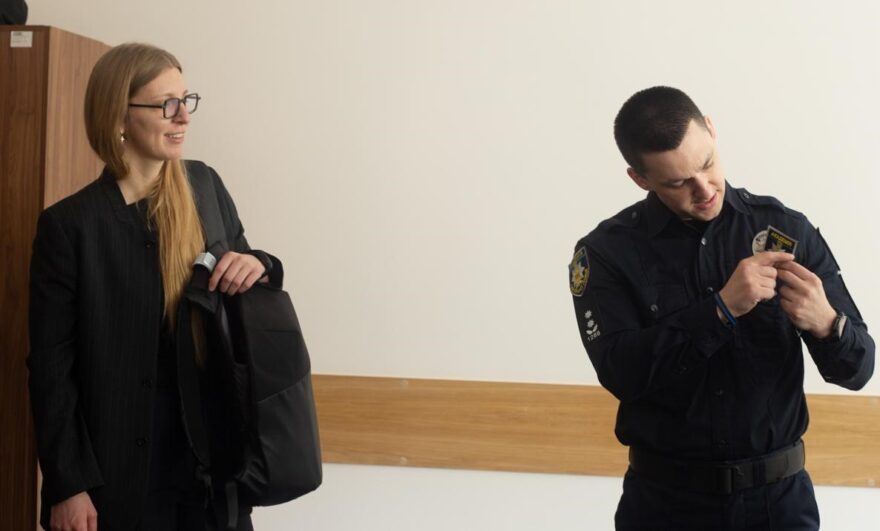
The seminar is part of a long-term initiative that Gender Stream has been implementing since 2016 to strengthen the capacity and understanding of law enforcement officers in order to timely and promptly respond to violence, discrimination, and prejudice against LGBTQI+ people. This training was particularly significant, as it has included cadets of the National Academy of Internal Affairs of Ukraine for the first time.
Ukraine still lacks an effective mechanism for recording and investigating hate crimes. In most cases, such offences are not recognized as a distinct category; their discriminatory motives are overlooked or downplayed, and victims are left without adequate protection.
Pending legislation
Ukrainian civil society have been advocating for new legislation without results. For a long time there were hopes that Draft Law No. 5488 would be adopted – but it was ultimately withdrawn from consideration.
Still, professional training of law enforcement officers is an effective tool for making police responses more sensitive, informed, and fair. A police force who are motivated to build trust with the LGBTIQ+ community and try to address the violations people are subject too is needed.
The training combined theoretical learning with the analysis of real-life cases, discussions of common mistakes, and practical exercises aimed at finding solutions to complex situations. Special attention was given to understanding hate crimes, recognizing their specific characteristics, and examining why standard response procedures often fail when incidents involve LGBTQI+ individuals.
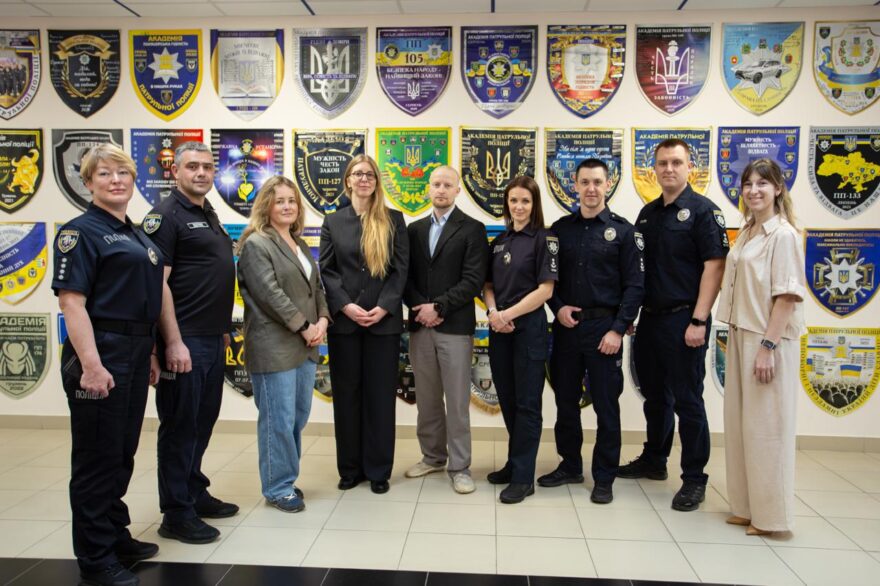
— Ensuring equal protection under the law requires both strong legal frameworks and well-trained institutions, says Skouen.
While important challenges remain, initiatives like this show how education and dialogue can strengthen trust, advance human rights, and contribute to a safer Ukraine.